The Perfect 4-Day Cape Town Itinerary: Table Mountain, Wine Country, and the Cape Peninsula
Some links in this post are affiliate links — if you book or buy through them, we may earn a small commission at no extra cost to you. How this works.
Your Cape Town 4 Day Itinerary, Start to Finish
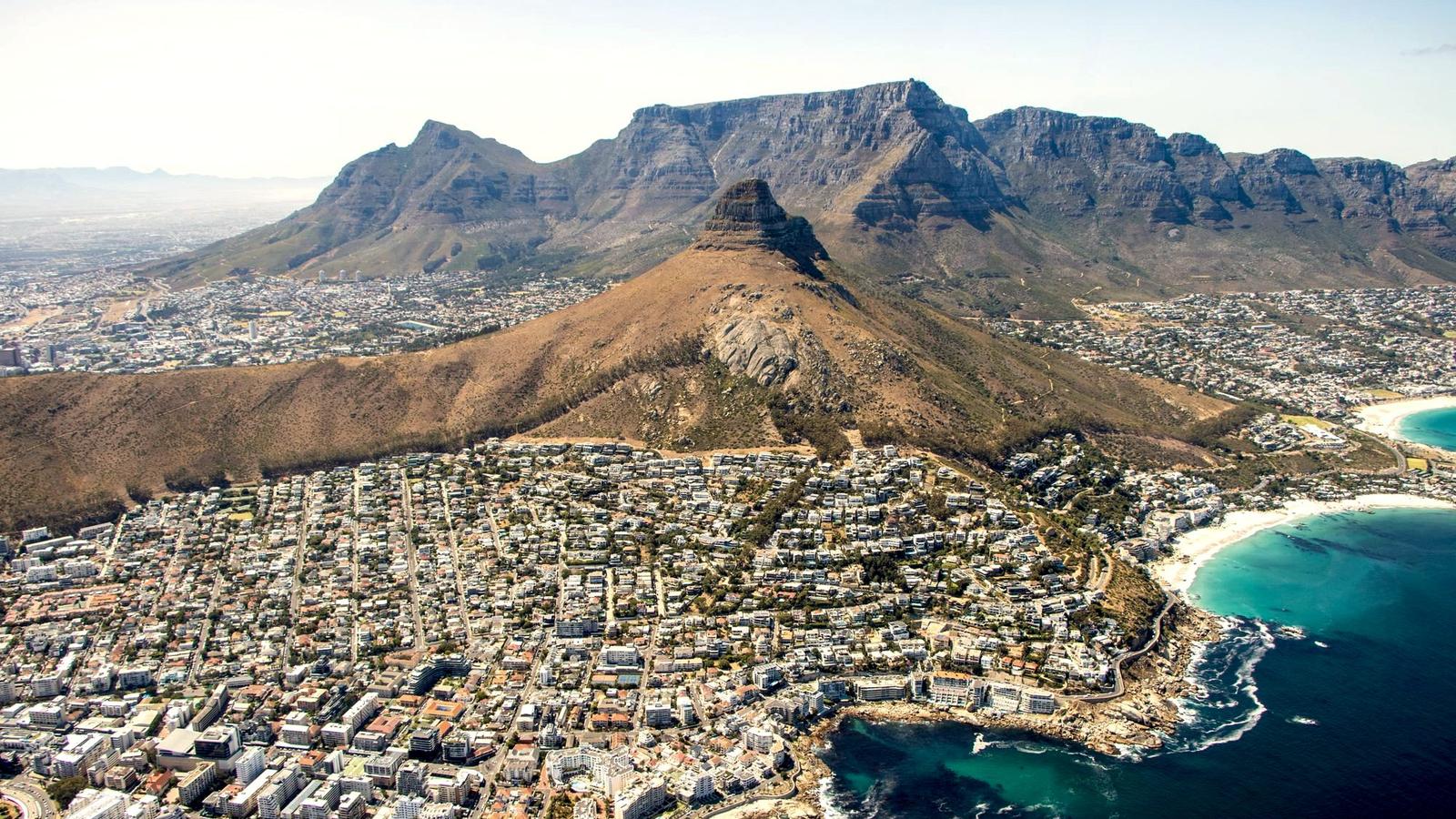
Cape Town sits between a flat-topped mountain and two oceans, so your days swing from cable-car heights to penguin beaches to vineyard valleys. This cape town 4 day itinerary is built for first-time visitors with a rental car who want the icons — Table Mountain, the Cape Peninsula, and the Winelands — without a frantic pace. It's one of the most underrated big cities I've visited, and four days barely scratches it.
Weather runs the show here, so treat the order as flexible: climb Table Mountain on the clearest morning and shuffle the rest around it.
The Logistical Setup
Here's the move: get the practical stuff sorted on arrival so the rest of the trip flows.
- Airport transfer: Cape Town International is about 20 km out. An Uber to the City Bowl runs roughly R250 to R350 and takes 25 minutes, or pre-book a private airport pickup to skip the wait at arrivals.
- Rent a car: You'll want one for Days 2 and 3 — the Cape Peninsula and Winelands are hard to reach without wheels. Book a Cape Town car rental for at least three of the four days.
- Table Mountain: Buy the cableway ticket online (about R420 return) and check the live webcam before you drive up — they close it in high wind.
- Stay connected: grab a South Africa eSIM so maps and ride apps work the moment you land.
One thing to know: the seasons are flipped. December to February is hot, dry, and peak; June to August is green, wet, and quiet.
Day 1: Table Mountain, the Waterfront, and Signal Hill
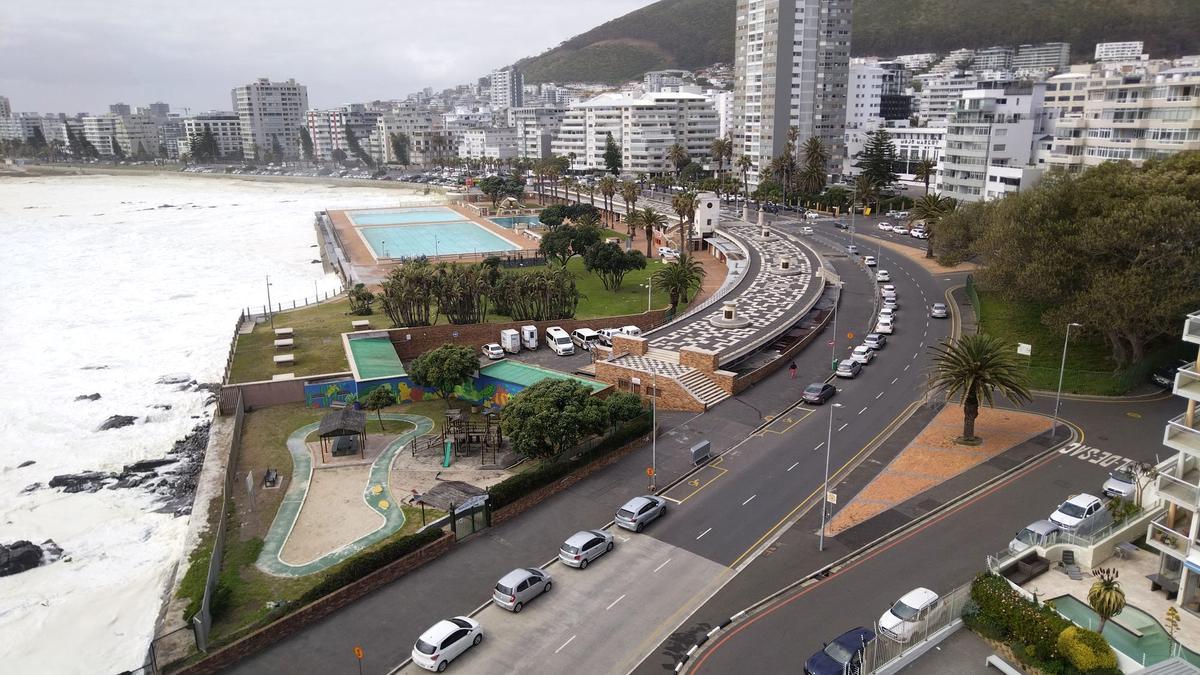
Day one keeps you in the City Bowl, where most of what to do in cape town is stacked within a short Uber of each other. Start high, drop to the harbor, finish on a hill.
Morning: Table Mountain Cableway
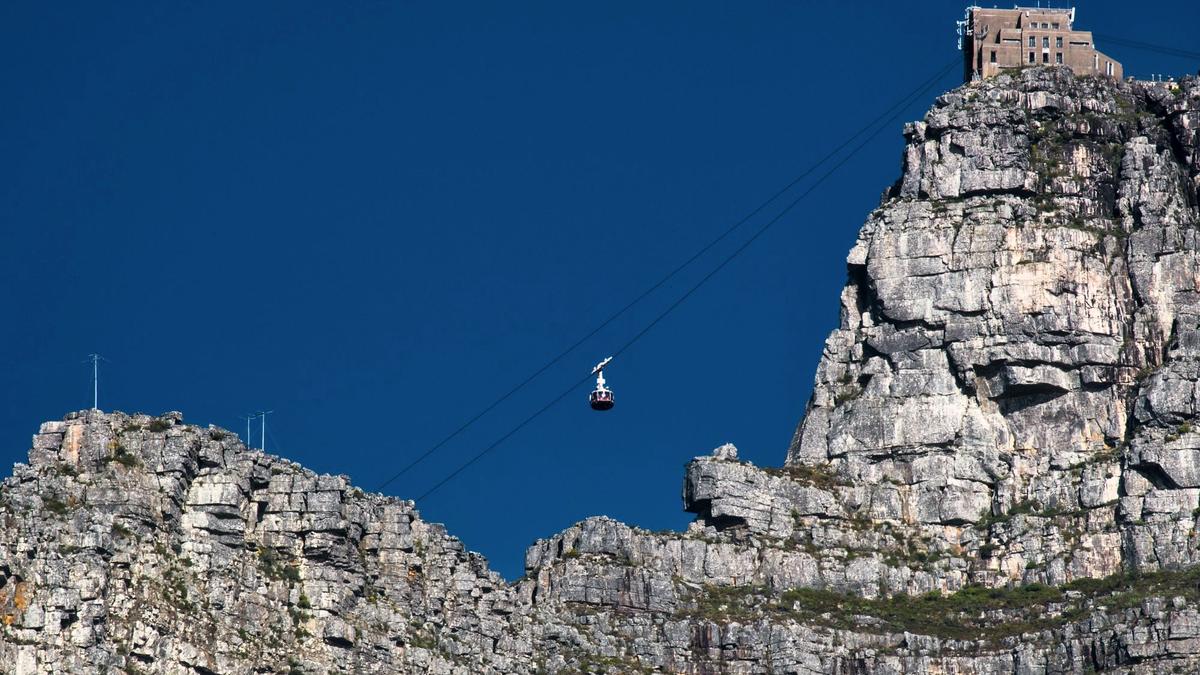
Be at the lower cableway station for the first car at 8:00 am. The rotating cabin climbs 700 meters in about five minutes, and the summit has flat, easy loop trails with views over the whole peninsula. The floor spins a slow 360 as you rise, so you don't need to jostle for a window — the city, the harbor, and Robben Island out in the bay all rotate past on the way up. Up top, the dassies (rock hyraxes) sun themselves on the boulders, unbothered by the crowds. Give it two hours up top.
A few table mountain hike tips if you'd rather walk up: the Platteklip Gorge trail is the direct route — a steep, shadeless two- to three-hour climb, so carry two liters of water and start by 7 am. Ride the cable car back down to save your knees.
Afternoon: V&A Waterfront
Drive down to the V&A Waterfront, a working harbor ringed with restaurants and shops. Have lunch on the water, then spend an hour in the Zeitz MOCAA contemporary art museum (about R230) inside a converted grain silo. In practice, this is also where you buy tickets for the next day's Robben Island ferry if you want to add it.
Evening: Signal Hill Sunset
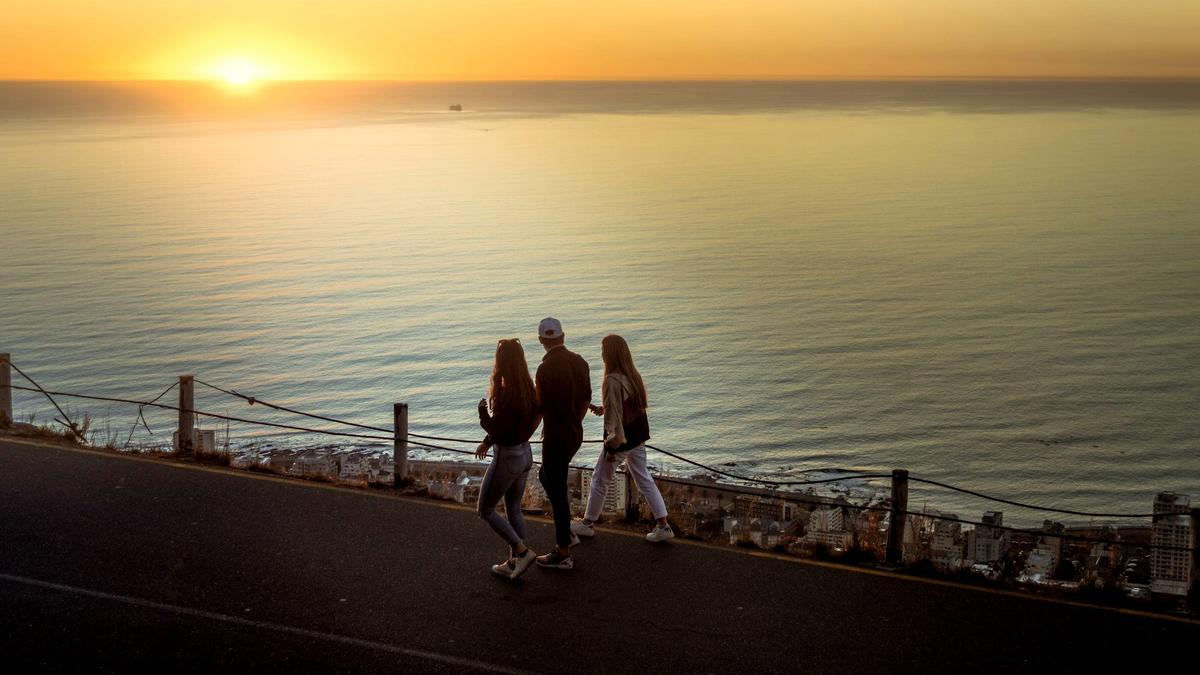
Drive up Signal Hill for sunset over the Atlantic — it's free, and the light drops fast behind the water. Bring a jacket; the wind sharpens as the sun goes down.
Day 2: The Cape Peninsula Drive
Day two is the big one — a full-day cape peninsula day trip by car. Run the loop clockwise: down the Atlantic coast, around the point, and back up the False Bay side so the sea is on your right the whole way.
Morning: Chapman's Peak to Cape Point
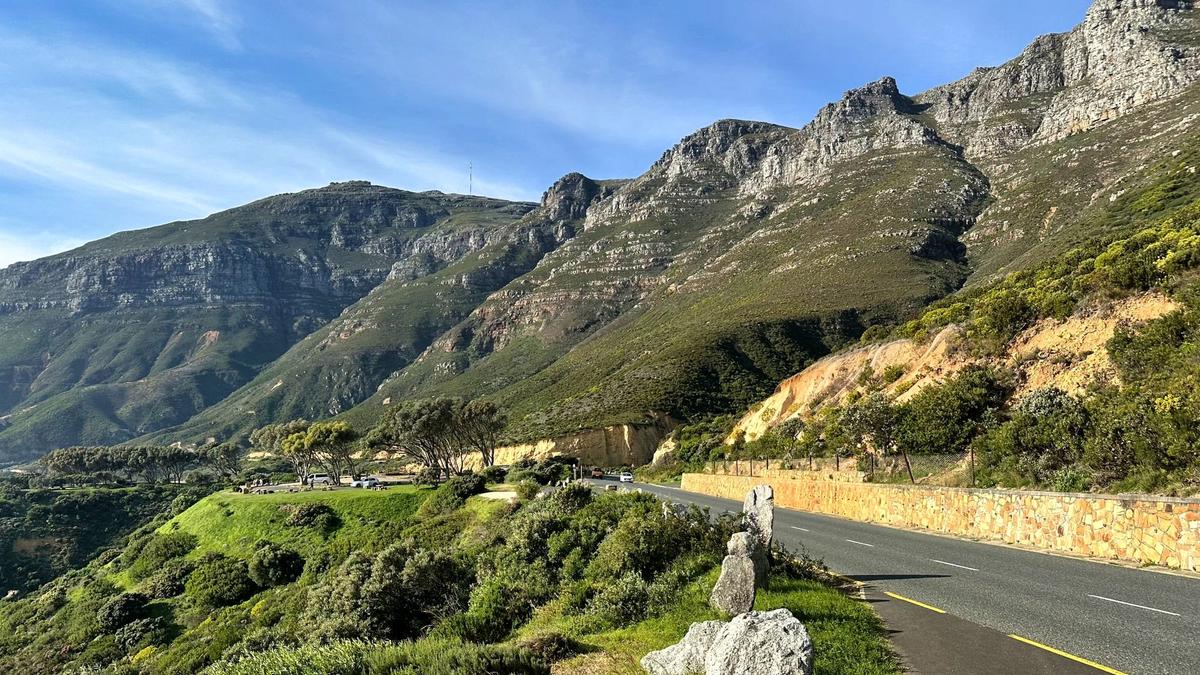
Leave by 8:30 am and take Chapman's Peak Drive (a small toll, about R60), a cliff-edge road carved between the mountain and the surf. It's only about 9 km, but you'll want to stop at every second turnout — the road clings to the rock a hundred meters above the Atlantic, and the light off the water is relentless. Continue to the Cape of Good Hope reserve (park entry about R400); walk or ride the funicular up to the old Cape Point lighthouse for the view where two oceans meet. Watch for baboons near the reserve gate; they're bold, so keep the windows up and never leave food in view.
Afternoon: Boulders Beach Penguins
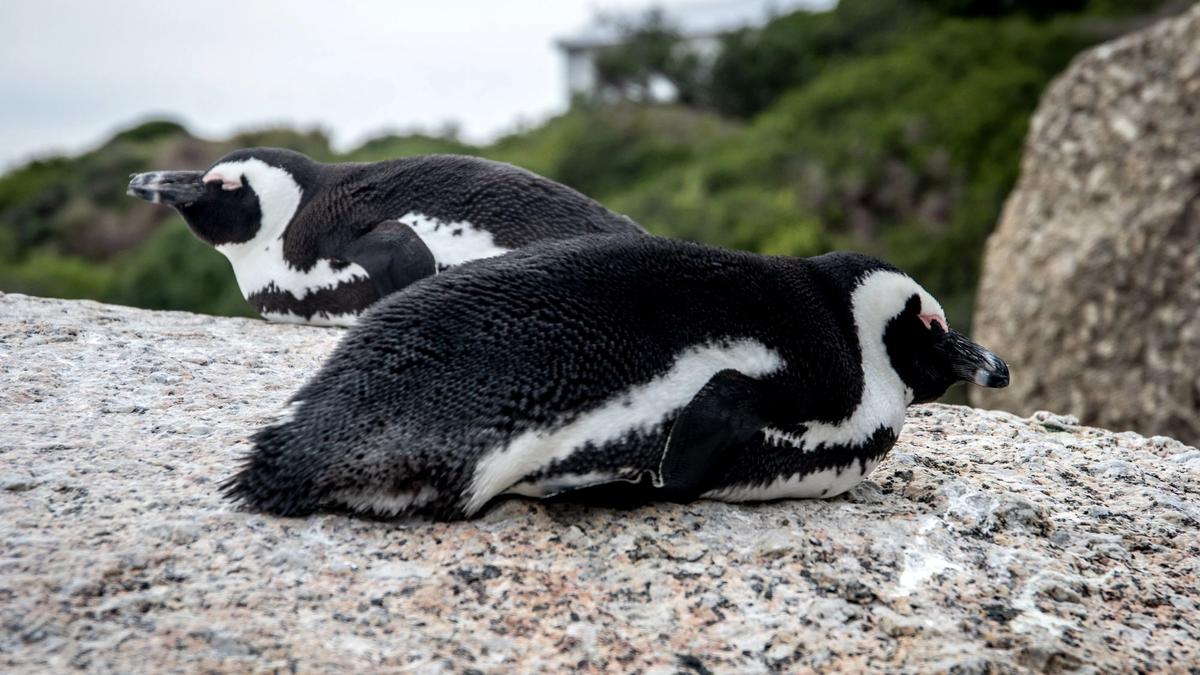
Drive back up the False Bay side to Boulders Beach (entry about R190), home to a colony of African penguins that bray like donkeys and waddle right past the boardwalk, close enough to hear them shuffle across the sand. Give it an hour. Quick tip — go on the boardwalk side, not the swimming beach, for the closest views without the crowds.
Evening: Kalk Bay or Simon's Town
Stop for dinner in Kalk Bay, a small harbor town of seafood spots and secondhand bookshops on the drive home. The catch: the peninsula roads are slow and dark after sunset, so aim to be back in the city before 8 pm.
Day 3: The Cape Winelands
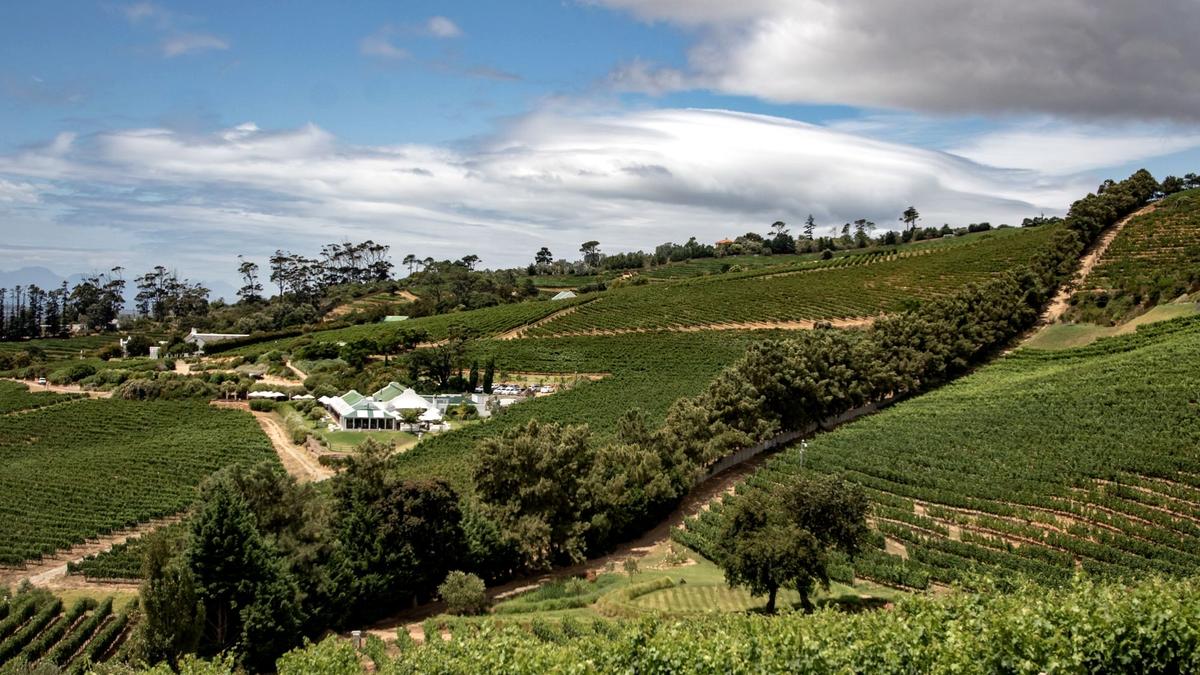
Day three trades coast for vineyards. The Winelands around Stellenbosch and Franschhoek sit about an hour inland, in a valley of whitewashed estates and oak-lined streets.
The Move: Ride, Don't Drive
Quick tip — don't drive yourself if you plan to taste. Base yourself in Franschhoek and ride the Wine Tram (hop-on, hop-off, about R280), an open-sided tram and bus that loops between estates so nobody has to stay sober behind the wheel.
Tastings run about R80 to R150 per estate, often refunded if you buy a bottle. Three or four stops is a comfortable, unhurried day. Book a table for a long lunch at one of the estates around 1 pm.
One thing to know: if wine isn't your thing, swap this day for a drive up the west coast or a second, slower pass at anything you rushed.
Day 4: Bo-Kaap, City Culture, and Kirstenbosch
Your last day slows down inside the city itself. No car needed for most of it.
Morning: The Bo-Kaap
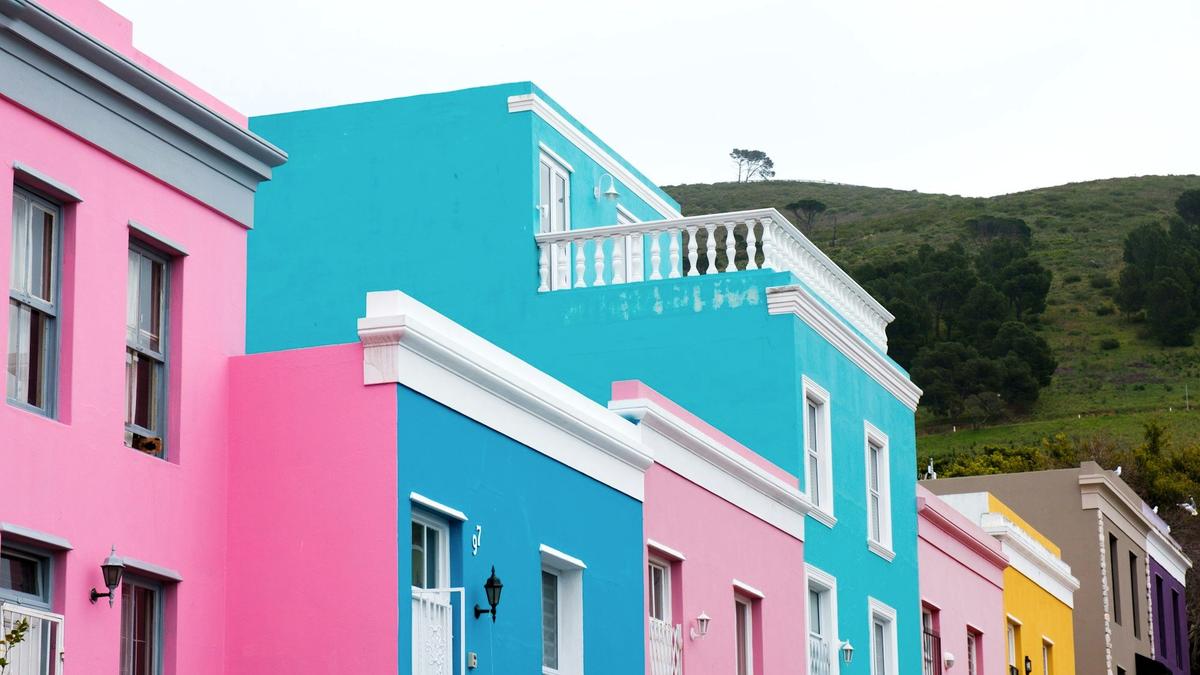
Walk the steep streets of the Bo-Kaap, a historic Cape Malay neighborhood of hot-pink, lime, and cobalt houses. Book a Cape Malay cooking class here if you want to fold your own samosas and take the recipes home.
Afternoon: District Six and Company's Garden
Walk through the Company's Garden, the city's oldest park, to the District Six Museum (about R60), which tells the story of the community forced out under apartheid. Squirrels beg along the garden's oak-lined avenues, and the old fishpond still marks where the first Dutch gardens grew food for passing ships. Do the two back to back — the genteel park, then the museum's raw history a few blocks on. It's a sober, essential hour for understanding the city.
Late Afternoon: Kirstenbosch
End at Kirstenbosch Botanical Garden (about R220) on the mountain's eastern slopes. Walk the elevated Boomslang canopy walkway for a last look over the city and the sea. In summer, check whether a sunset concert is on the lawn.
Cape Town's best experiences — Table Mountain, the peninsula, the winelands — book out in season, so reserve a few ahead:
Tour recommendations are powered by our travel partner and need cookies to load.
People Also Ask
Is 4 days enough for Cape Town?
Yes, four days covers the essentials — the mountain, the peninsula, the Winelands, and the city's culture — at a steady pace. Add a fifth day if you want to include Robben Island or a full beach day.
Do I need a car in Cape Town?
For this route, yes. The Cape Peninsula and Winelands are difficult and expensive to reach without one. Within the City Bowl you can rely on Uber, but a car unlocks Days 2 and 3.
When is the best time to visit Cape Town?
March to May and September to November bring warm, calmer weather and thinner crowds. Summer (December to February) is hottest and busiest, while winter is green and wet but great value.
The Bottom Line
This cape town 4 day itinerary balances the two icons that fill every postcard — Table Mountain and the Cape Peninsula — with a slow vineyard day and a cultural close in the Bo-Kaap. Watch the weather, book the cableway online, and keep the car for the days you actually need it. Planning another multi-day city trip? Our 3-day Barcelona route keeps the same fast-but-doable rhythm.